

standing bathroom mirror
The Importance of Butterfly Valve Manufacturers in Modern Industries Butterfly valves are integral components in various industrial applications, serving as crucial devices for regulating flow in piping systems. As industries evolve and demand sophisticated fluid management solutions, the role of butterfly valve manufacturers becomes increasingly significant. This article highlights the importance of these manufacturers, their contributions to different sectors, and their overarching impact on the global economy. Understanding Butterfly Valves Butterfly valves are quarter-turn valves that utilize a rotating disc to control the flow of fluid. The mechanism is straightforward when the handle is turned, the disc rotates to either open or close the passageway. This simplicity is one of the reasons why butterfly valves are prevalent in numerous applications, including water treatment, chemical processing, and HVAC systems. Their lightweight design, low cost, and ability to handle a wide range of pressures and temperatures make them ideal for many industries. The Role of Manufacturers Butterfly valve manufacturers are responsible for creating high-quality products that meet specific industry standards and customer requirements. Their expertise encompasses several areas, including design, material selection, testing, and compliance with international regulations . Here are some key roles they play 1. Innovation and Design As industries face evolving challenges, manufacturers are at the forefront of innovation. They invest in research and development to improve valve designs, ensuring they can handle increasingly complex applications. This includes developing valves that are more efficient, durable, and capable of withstanding extreme conditions. butterfly valve manufacturer 2. Quality Assurance Quality is paramount in valve manufacturing. Reputable manufacturers implement rigorous quality control measures, ensuring that each valve meets safety and performance standards. This commitment to quality reduces the risk of failures in critical systems, thereby enhancing overall operational safety. 3. Customization Different industries have unique requirements, which may necessitate custom butterfly valves. Manufacturers work closely with engineers and end-users to design valves tailored to specific applications. This customization can involve modifications in size, materials, and functionality, ensuring optimal performance in diverse environments. 4. Sustainability Initiatives As the world increasingly focuses on sustainability, butterfly valve manufacturers are aligning their practices with environmental goals. This includes using eco-friendly materials, reducing waste during production, and designing valves that support energy-efficient systems. By doing so, manufacturers not only contribute to environmental protection but also help their clients comply with regulatory standards. 5. Global Supply Chain Management Modern industries operate on a global scale, and effective supply chain management is essential. Reliable manufacturers establish strong relationships with suppliers and distributors, ensuring timely deliveries and availability of parts. This agility in the supply chain can be a competitive advantage in fast-paced markets. The Economic Impact The contribution of butterfly valve manufacturers extends beyond individual industries; they are vital to the global economy. By providing essential components for infrastructure, energy production, and manufacturing processes, these manufacturers play a crucial role in facilitating economic growth. Their innovations can lead to more efficient operations, which in turn boosts productivity and profitability across sectors. In conclusion, butterfly valve manufacturers serve as a cornerstone of modern industrial operations. Their commitment to quality, innovation, and sustainability not only enhances the performance of fluid management systems but also supports broader economic and environmental goals. As industries continue to advance, the expertise and capabilities of butterfly valve manufacturers will remain indispensable in navigating the challenges and opportunities of the future.
about
standing bathroom mirror
Understanding Pressure Check Valves Importance and Applications Pressure check valves are essential components in various fluid systems, providing a critical function that helps maintain operational safety and efficiency. These valves are designed to allow fluid to flow in one direction while preventing backflow, thereby protecting system integrity and ensuring that components operate under safe pressure levels. What is a Pressure Check Valve? A pressure check valve is a device that automatically prevents the reverse flow of fluid that could potentially harm an apparatus or the environment. These valves have a simple mechanism that opens to allow flow in one direction and closes to prevent it from flowing back. Their design is crucial in applications where fluid dynamics play a significant role, such as in water distribution systems, hydraulic systems, and various industrial processes. How Do Pressure Check Valves Work? The operation of a pressure check valve is relatively straightforward. When the fluid pressure exceeds the spring tension holding the valve closed, the valve opens, allowing the fluid to pass through. Once the pressure drops or reverses, the spring closes the valve, preventing backflow. This action ensures that the system maintains its integrity and operates within the desired pressure range. Pressure check valves often feature materials such as stainless steel, brass, or plastic, depending on the application and the fluids involved. The choice of material is critical as it impacts the durability, corrosion resistance, and overall longevity of the valve. Applications of Pressure Check Valves 1. Water and Wastewater Treatment Pressure check valves are widely used in municipal water systems and wastewater treatment plants . They prevent backflow that can contaminate clean water supplies or hinder the overall efficiency of treatment processes. pressure check valve 2. Hydraulic Systems In hydraulic machinery, such as construction equipment and manufacturing tools, pressure check valves are vital for maintaining system pressure and ensuring that hydraulic fluid only flows in the desired direction. This helps in preventing equipment damage and enhancing performance. 3. Pneumatic Systems Similar to hydraulic applications, pneumatic systems utilize pressure check valves to control air flow, ensuring that pressure remains stable and that air does not backtrack into components when not in operation. 4. Chemical Processing In industries involving chemical reactions, pressure check valves serve to prevent the backflow of potentially hazardous chemicals, protecting both workers and equipment from leaks and spills. 5. Fire Protection Systems Pressure check valves are integral in fire suppression systems. They ensure that water or fire-retardant chemicals flow only when needed and prevent contamination in the system. Benefits of Using Pressure Check Valves - Prevention of Backflow The primary benefit is the mitigation of backflow, which can lead to contamination or system failure. - Enhanced Safety By maintaining correct pressure levels, these valves play a crucial role in preventing accidents and equipment damage. - Reduced Maintenance Costs By preventing reverse flow and protecting equipment, pressure check valves minimize wear and tear, leading to lower maintenance and replacement costs. - Improved System Efficiency Ensuring that fluid flows unobstructed in the desired direction enhances the efficiency of the entire system. Conclusion Pressure check valves are paramount in ensuring the safety and efficiency of various fluid handling systems. Their ability to prevent backflow and maintain operational pressure makes them invaluable in sectors ranging from municipal water supply to heavy industry. Investing in high-quality pressure check valves not only protects infrastructure but also ensures compliance with safety regulations. As industries evolve and demand for fluid management systems grows, the role of pressure check valves will undoubtedly continue to be significant, underscoring the importance of understanding their function and applications. Proper selection, installation, and maintenance of pressure check valves are key to maximizing their benefits, making them a critical component in any fluid handling system.
-

High quality industrial productsagement

High quality industrial products
View Details -

Meet the diverse needs of customers

Meet the diverse needs of customers
View Details -

Strict quality control

Strict quality control
View Details -

Top raw materials

Top raw materials
View Details -

Trusted supplier

Trusted supplier
View Details
Our application


news and information
Viertelzoll-Klappenventil mit 4 Zoll Durchmesser für industrielle Anwendungen
4 Zoll Messerabsperrventil Eine wichtige Komponente in der Industrie Das 4 Zoll Messerabsperrventil

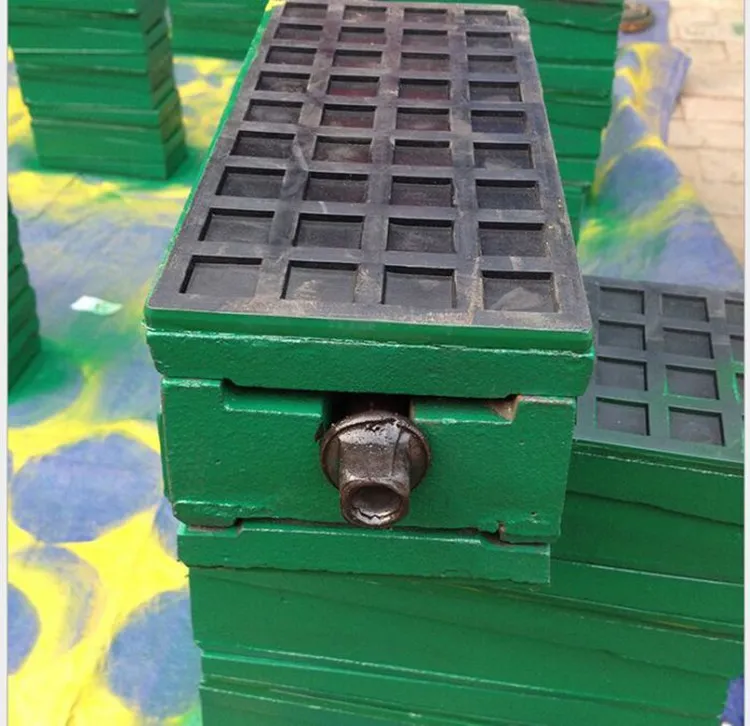
vibration pad material
Understanding Vibration Pad Materials A Comprehensive Overview In a world that increasingly relies o
Wire bird spikes for effective bird control solutions in outdoor spaces.
Bird spikes wire is a common and effective solution to prevent birds from roosting or nesting on bui
 English